

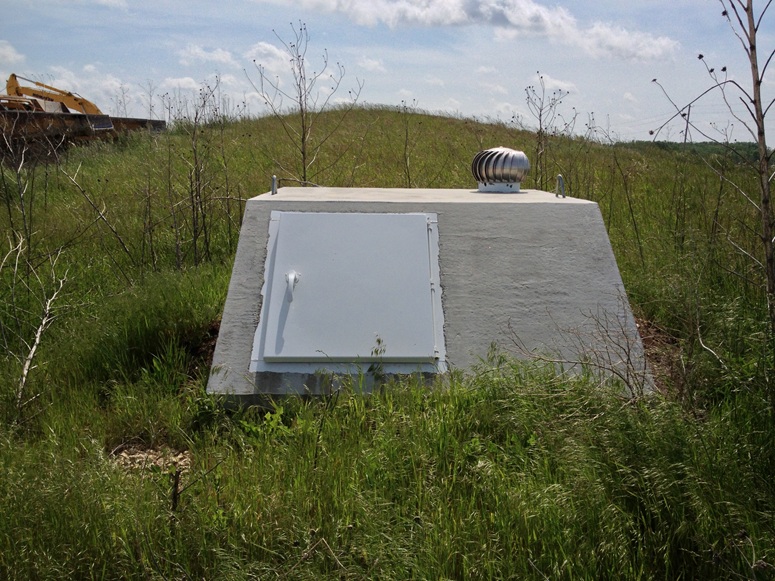
What Makes a FEMA-Compliant Above-Ground Tornado Shelter?
By Valley Storm SheltersAbove-ground tornado shelters offer excellent protection from life-threatening storms. When a shelter is FEMA-compliant, it means that the shelter meets the organization’s rigorous guidelines for safety and performance, which bolsters peace of mind. Our above-ground tornado shelter professionals at Valley Storm Shelters have the experience and skill to help you protect your family in the event of a life-threatening tornado.
Above-Ground Tornado Shelters
When you think about tornado warnings, your thoughts likely turn to heading underground, such as to the basement or a storm cellar. While this is traditional wisdom, FEMA-compliant above-ground tornado shelters, or safe rooms, offer what is called near absolute protection from tornadoes. Near absolute here means that these structures have a very high probability of protecting you from injury or death in even the most dangerous wind events.
Key Compliance Concerns
FEMA does not certify or approve individual shelters. A FEMA-compliant shelter is one that is designed and built to meet the criteria in FEMA P-320 or P-361, usually supported by independent testing of the walls, door, and anchoring by the Texas Tech University National Wind institute.
Resistance to Extreme Winds
The structure must effectively withstand wind speeds of up to 250 mph. This reflects the force of a violent EF5 tornado.
Structural Anchoring
The above-ground tornado shelter must be securely anchored to a heavy concrete foundation or slab that helps stop the safe room from sliding, turning over, or lifting.
Protection from the Impact of Debris
The tornado shelter must offer adequate resistance to high-speed flying debris. A prime example is a 15-pound 2x4 that is traveling at 100 mph.
Proper Access and Ventilation
The door must remain operable from inside after a storm and must open in a way that reduces the risk of being trapped by debris. And it must open in a manner that effectively addresses the risk of entrapment from rubble (the door MUST open inward). There are also requirements that relate to natural ventilation minimums, which can be supplemented or replaced by mechanical ventilation under the right conditions.
FEMA’s safe room criteria are stricter than many basic shelter designs and, in some areas, stricter than ICC 500.
The Benefits of an Above-Ground Tornado Shelter
Above-ground FEMA-compliant tornado shelters come with considerable benefits that include all the following:
- Ease of accessibility associated with ground-level entry that does not require steps, stairs, or ladders
- Speedier installation that doesn’t require excavation and can be installed relatively quickly inside a garage or on an exterior concrete pad or patio
- Easier exits, which come from having doors that are engineered to open even when heavy debris has piled up outside
- Protection designed to meet FEMA P-320 or P-361 criteria
Discuss your best options with an above-ground tornado shelter specialist today.
Our Above-Ground Tornado Shelter Pros Can Help
Our experienced above-ground tornado shelter specialists at Valley Storm Shelters proudly serve homeowners throughout Alabama, Tennessee, and well beyond. We offer FEMA-compliant tornado shelters that exceed the required standards, and this makes a difference in terms of the level of protection provided. Learn more by contacting us online or giving us a call at 256-890-4265 today.