

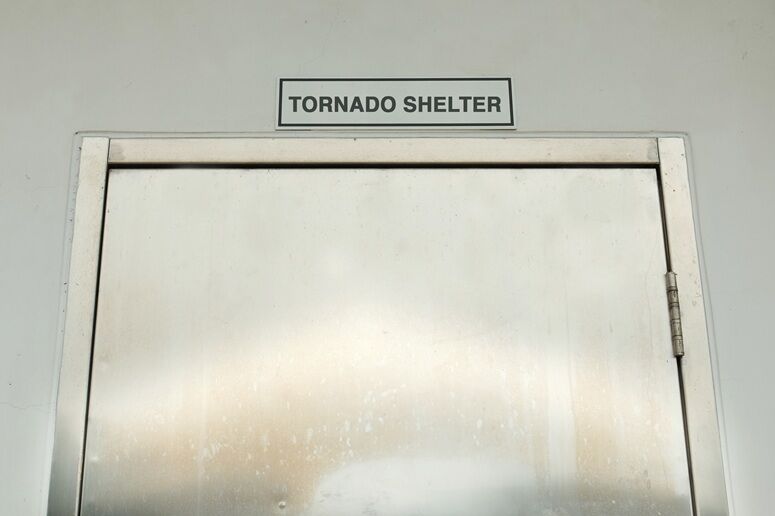
How Above-Ground Tornado Shelters Are Tested for EF5 Tornadoes
By Valley Storm SheltersA FEMA-compliant above-ground tornado shelter that is properly engineered and professionally installed offers unparalleled protection from even the most dangerous storms. And these include EF5 tornadoes. When it comes to protecting your family in the face of severe wind events, an above-ground tornado shelter is an excellent investment. Turn to our experienced above-ground tornado shelter specialists at Valley Storm Shelters for the help you need.
Understanding EF5 Tornadoes
The Enhanced Fujita (EF) Scale is used by the National Weather Service to rate tornado intensity based on estimated wind speeds and observed damage. The highest category, EF5, corresponds to estimated three-second wind gusts exceeding 200 mph. These wind speeds are estimates derived from damage assessments, rather than necessarily direct measurements of the tornado’s winds.
EF5 tornadoes can cause catastrophic structural damage, including the destruction of well-constructed homes and the displacement of buildings from their foundations.
Testing Above-Ground Tornado Shelters for Extreme Tornado Conditions
There is no standalone EF5 certification category under the ICC 500 storm shelter standard. Instead, storm shelters are designed and evaluated against defined engineering requirements for wind loads, structural performance, anchoring, and flying-debris impacts.
The ICC 500 Standard
ICC 500, the International Code Council’s Standard for the Design and Construction of Storm Shelters, establishes minimum requirements for storm shelter design, construction, and testing. Requirements include:
- Wind-load resistance: Shelters must be designed for the applicable tornado or hurricane wind loads. The highest tornado design wind-speed zone uses a 250 mph design wind speed.
- Flying-debris impact resistance: For the 250 mph tornado design wind-speed criteria, testing includes a 15-pound, 2×4 lumber missile impacting vertical surfaces at 100 mph.
- Structural integrity and anchorage: Shelter designs must address the forces imposed by extreme winds, including pressure, uplift, and the loads transferred through the shelter’s anchoring system.
FEMA’s P-361 guidance specifies 250 mph design wind speeds and associated impact-testing criteria for FEMA-funded residential safe rooms.
Why Flying-Debris Protection Matters
Flying debris is a major hazard during violent tornadoes. Windborne objects can penetrate walls, doors, and other building components, potentially causing serious injuries or fatalities.
That is why storm shelter testing evaluates more than wind speed alone. Resistance to debris penetration, structural strength, and secure anchoring are all important elements of a shelter designed to provide protection during extreme tornado conditions.
The Primary Importance of Effective Anchoring
Your above-ground tornado shelter will only be as sturdy as the foundation it’s secured to. Solid anchoring requires a reinforced concrete slab and professional installation. Ultimately, the shelter’s load path must transfer force into the slab, which is distinct from simply bolting into the concrete. Working closely with an above-ground tornado shelter specialist is always the best path forward.
The Tornado Shelter’s Door
In terms of engineering, an above-ground tornado shelter’s door is an exceptionally important component. Because it must remain operable following impact, the door is held to additional safety requirements. These include being designed to open even if heavy debris has piled up against the door. While different companies offer different designs, an inward-swinging door with steel hinges in ideal.
It’s also important to have a multi-point steel latch or locking system that engages at the top, middle, and bottom. Standard deadbolts or electronic keypads can slow you down when every second counts, and they can also jam or otherwise malfunction following a powerful tornado.
Reach Out to Our Above-Ground Tornado Shelter Professionals Today
Our experienced above-ground tornado shelter pros at Valley Storm Shelters, serving homeowners in Alabama, Tennessee, and throughout the nation, appreciate the importance of serious storm protection. In fact, the shelters we sell and professionally install are engineered beyond ICC-500 standards, which translates to considerable peace of mind. Learn more by contacting us online or giving us a call at 256-890-4265 today.