

Above-Ground vs. Underground Tornado Shelters: Which Is Right for Your Family?
By Valley Storm SheltersTornado environments and reported tornadoes throughout Alabama, Tennessee, and surrounding areas are trending upward. And when dangerous weather strikes, every second matters. A tornado shelter can afford you the peace of mind you’re looking for, but determining whether an above-ground or underground shelter is the way to go can be challenging. Our experienced tornado shelter professionals at Valley Storm Shelters are here to help you make the right choices for your family.
Considering Both Above-Ground and Underground Tornado Shelters
Tornado shelters have advanced considerably over recent years, and both above-ground and underground shelters can provide you and your loved ones with the level of safety you’re looking for. In fact, modern shelters offer flexibility in terms of design, size, accessibility, and location.
Determining which style is right for you depends on your preferences, budget, local water table, and other relevant circumstances.
Above-Ground Tornado Shelters
Above-ground shelters are constructed of materials that make them comparable in strength to more traditional underground tornado shelters. Their prime selling points include the following:
- They are less vulnerable to flooding, which makes them an excellent option for those areas with high water tables.
- No major excavation is needed.
- They offer greater accessibility and convenience.
- They can also be used for other secure storage- guns and ammo, important documents, etc.
- There is virtually zero maintenance when they are installed inside.
Underground Tornado Shelters
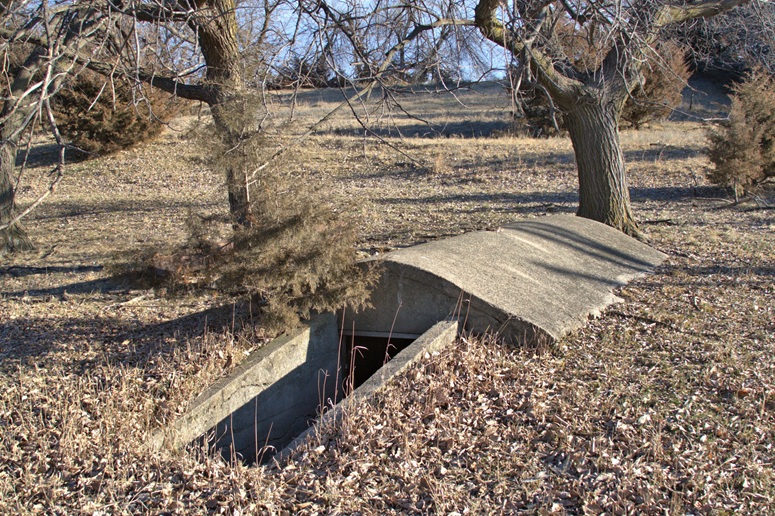
Underground tornado shelters are a classic choice that has withstood the test of time. We have all heard our entire lives that during a tornado, we should shelter underground. These shelters, whether inside your garage or in your yard, are equivalent to retroactively creating a small steel, concrete, or fiberglass basement for your family.
Serious Protection from Both Styles
The threat posed by tornadoes is all too real, and both above-ground and underground shelters provide proven protection that can save lives. When you work with seasoned professionals, both forms of shelter meet federal safety standards that are designed to withstand winds exceeding 250 miles per hour. When determining what’s right for you, you’ll want to consider your property’s water table, cost, the size of your family, pets, any constraints that apply in terms of installation, and any mobility concerns or the age of your family members.
The Pros and Cons of Each
Having a better understanding of the pros and cons of both above-ground and underground tornado shelters can help you better protect your family.
Your Above-Ground Shelter
An above-ground shelter offers zero-step access, ensuring mobility issues will not be a problem. There is also minimal risk of flooding, mold, or water accumulation. Installation of an above-ground shelter is relatively speedy or easy, and the space can double as storage or a panic room.
It’s important to know that above-ground shelters are anchored directly to your home or garage’s concrete slab and will, therefore, take up some of your floor space in that structure.
Many shelters come with doors large enough to accommodate a wheelchair, and above-ground shelters are the clear choice if you have pets, young children or elderly family members. You simply walk inside and shut the door.
Your Underground Shelter
An underground shelter can be installed under the floor of your garage, or it can be excavated right into your yard. They not only provide natural insulation but also help maximize space and have a discreet profile.
It should be noted, however, that entering an underground shelter requires navigating either a steep ladder or a set of steps. And in areas with high water tables, heavy rain causes issues such as leaks, flooding, mud entrapment, and eventual rusting. This is in addition to the heavy excavation required, and the extensive cleaning needed every year to remove spiders, mice, and snaked.
We also recommend that you inspect your underground shelter twice per year to ensure the mechanisms are all working correctly (the door, the stairs if they fold, any sliding pieces, etc.)
Additionally, if you do install an underground shelter, it is essential you register your shelter with your state’s emergency management office or your local fire department. This lets first responders know that your family may be underground after a tornado incident.
Discuss Your Family’s Needs with Our Experienced Tornado Shelter Pros Today
Our dedicated tornado shelter experts at Valley Storm Shelters recognize the importance of protecting your family and making an informed choice. We welcome the opportunity to help bolster your peace of mind as we share our knowledge and experience. To learn more, please don’t wait to contact us online or give us a call at 256-890-4265 today.