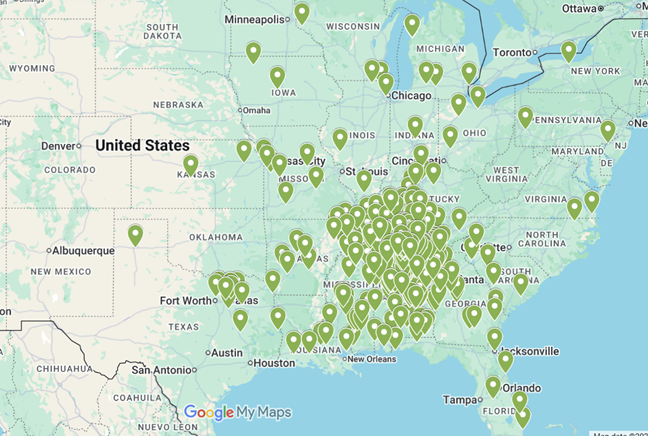
Our above-ground storm shelters, also known as tornado shelters or residential safe rooms, are among the strongest in the world for three key reasons: 1. Our design and construction 2. Our unique anchoring system 3. Our extensive testing and validation When it comes to effective tornado protection, every detail of the shelter matters. Let’s take a closer look.
Design and Construction
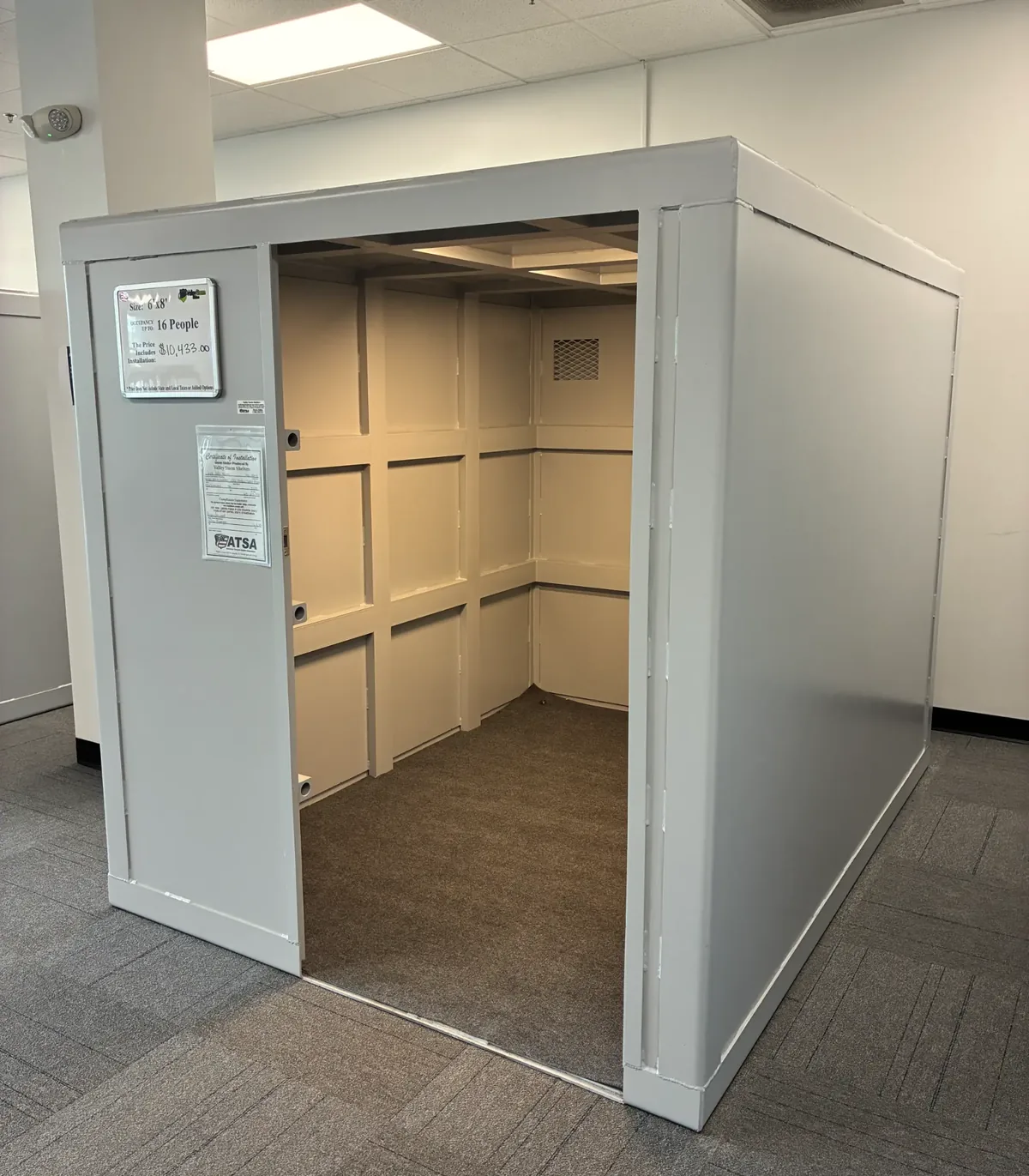
Every Valley Storm Shelter is built for maximum strength, durability, and life-saving protection.
- Full steel floor — instead of just a bottom lip, our shelters are fully welded cubes for maximum strength and added protection from electrocution.
- 1/4” cold-rolled steel walls — cold-rolled steel can be up to 20% stronger than standard steel.
- Fully welded construction throughout — never bolted together.
- Reinforced overlapping ceiling and floor panels — 1/2” thick for added rigidity.
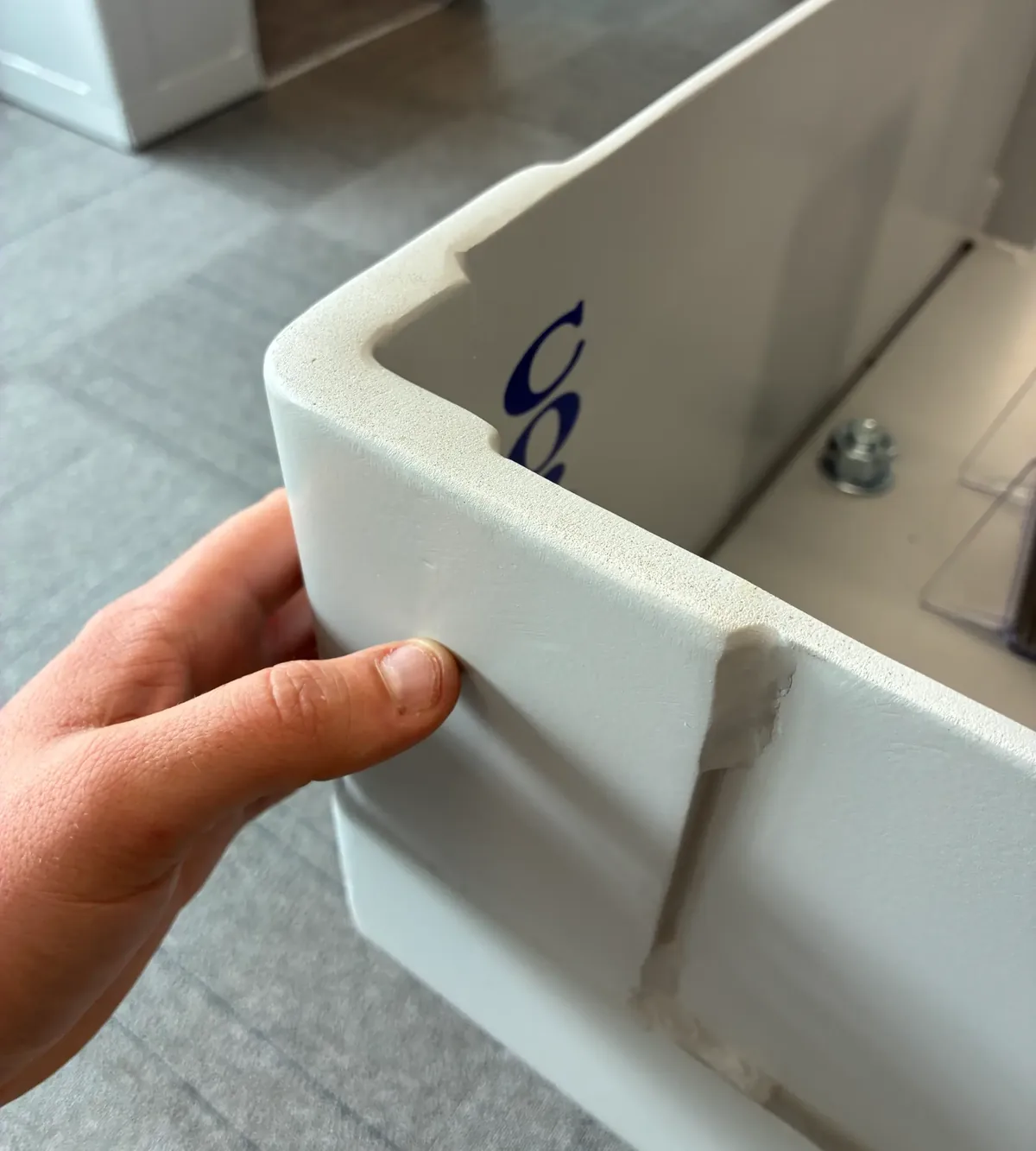
- Reinforced corners — an extra steel plate on both the inside and outside of every corner, creating 3/4” of protection in critical stress points.
- Structural steel C-channel reinforcement throughout the interior — running vertically and horizontally to provide crush resistance in all directions.
Our Shelter Doors
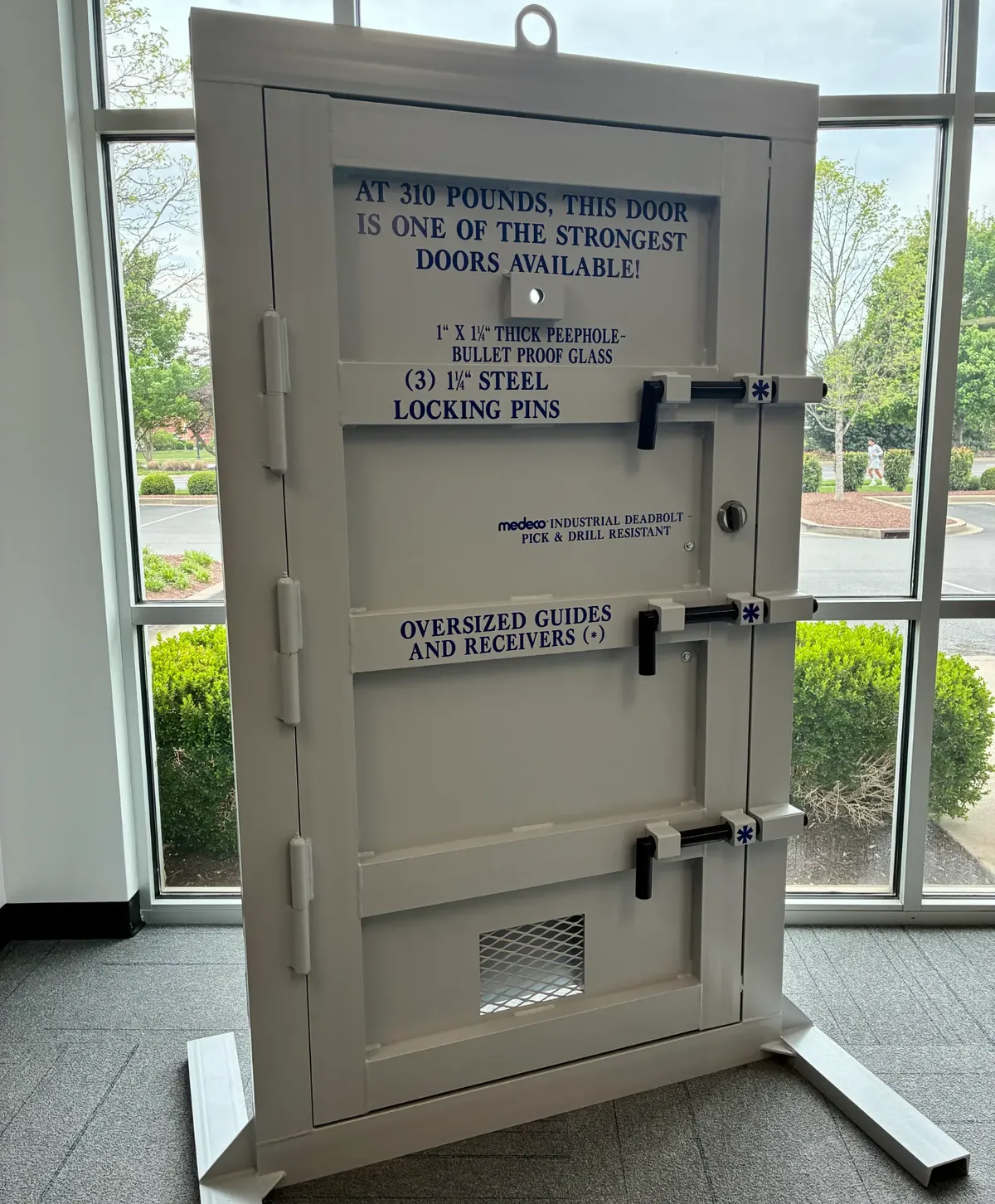
The door of a tornado shelter is often its weakest point, which is exactly why we have over-engineered ours for strength, simplicity, and reliability.
When seconds matter, this is not the place for unnecessary technology or fragile components. Our doors do not rely on digital keypads, springs, thin cables, sliding tracks, or other failure-prone parts.
Door Overview
- 36” steel door weighing 310 lbs — built with large barrel hinges that make it extremely strong, yet still smooth and easy to close.
- Three oversized steel locking rods — our 1 1/4” steel rods are exceptionally strong, and the oversized slots mean they still have room to slide even if the door takes a direct hit.
- Inward-opening design — prevents the door from being blocked by outside debris.
- Structural C-channel inside the door — adds even more strength and durability.
Other Standard Door Features
- Pick- and drill-resistant Medeco deadbolt — secure enough to use as a personal safe or bank vault when you are away.
- Covered door vent
- Bullet-resistant glass peephole
The Anchoring System
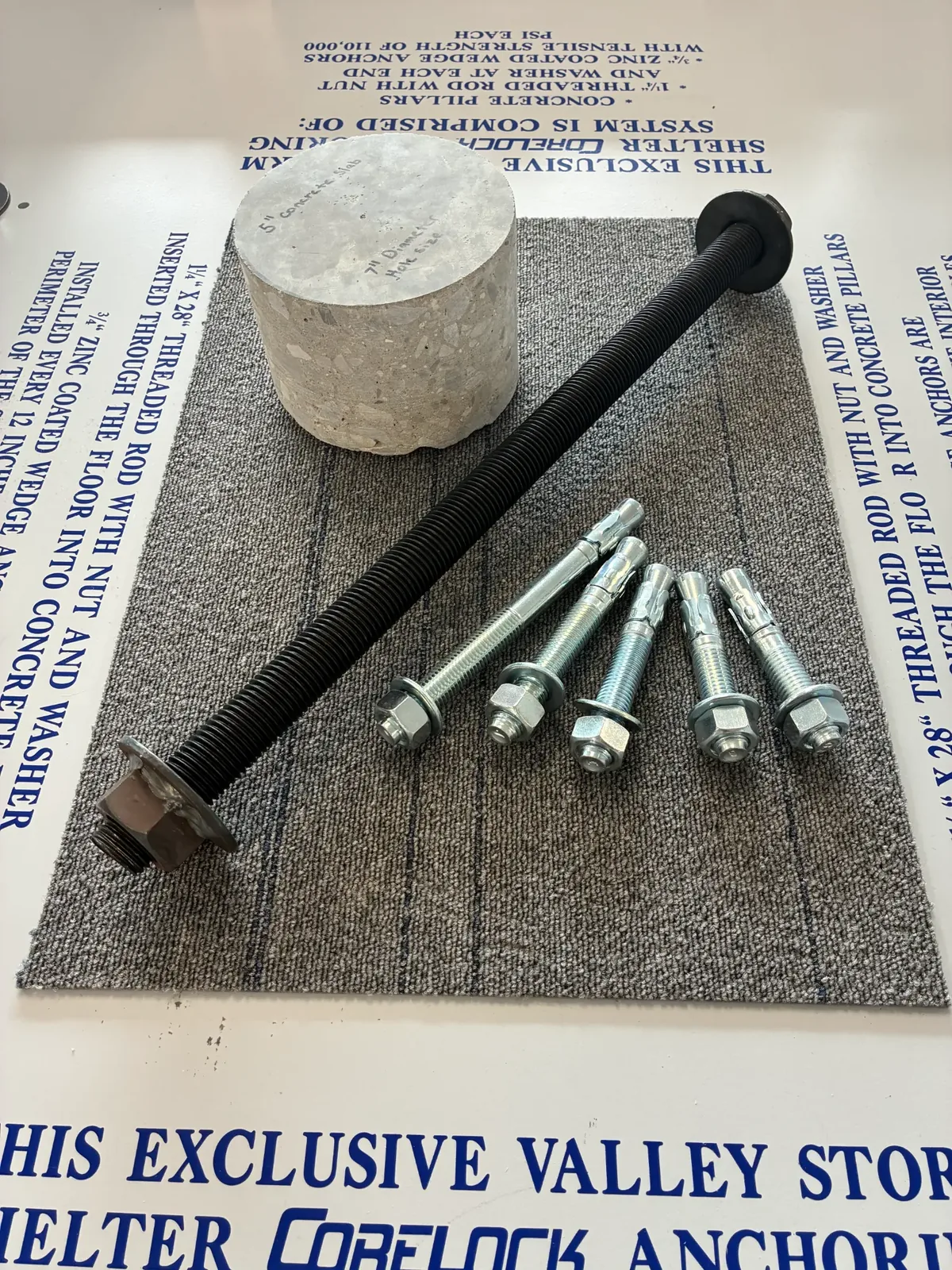
During a powerful tornado, your shelter may experience extreme uplift forces and impacts from large, heavy debris. The anchoring system connects the strength of the shelter to the strength and weight of the concrete slab beneath it.
This is one of the most critical parts of an above-ground tornado shelter.
This is especially true for shelters without a floor. Without a full floor, a shelter is lighter, has less crush resistance, and becomes more vulnerable if even one anchor fails.
Even though our shelters include a full steel floor and tornado winds cannot enter from below, we still believe the anchoring system is never the place to do the bare minimum.
Our shelters are secured with heavy-duty 3/4” wedge anchors, available in varying lengths to match the thickness of your slab.
Our 4′ x 6′ shelter (our most popular model) includes 13 anchors to maximize the number of connection points between the shelter and the concrete slab. Larger shelters include even more.
CoreLock™
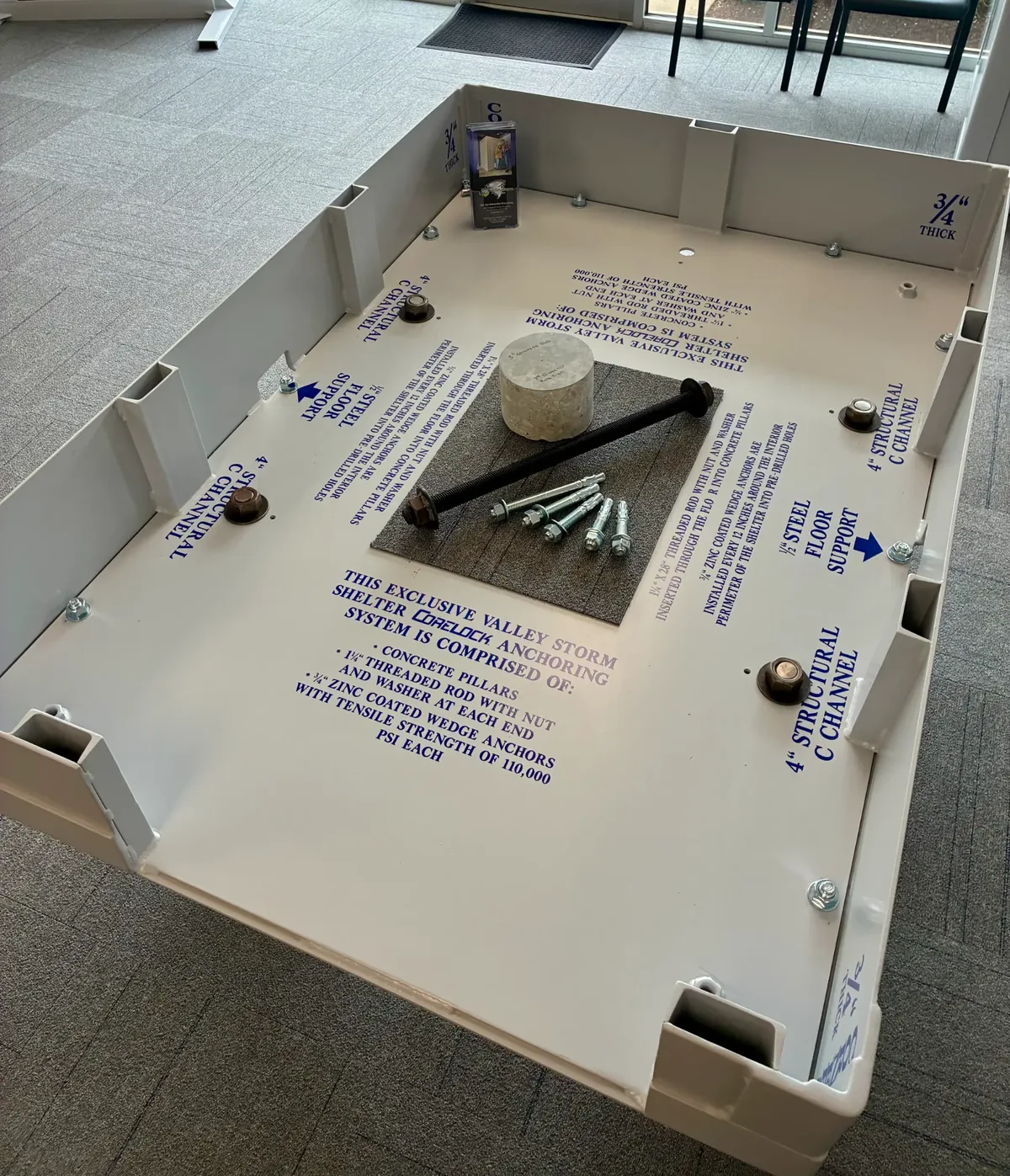
In addition to thick wedge anchors, we also use proprietary technology we call CoreLock™.
This system involves:
- Core drilling four plugs into your concrete
- Augering down 28” or more
- Pouring 3,000 psi concrete into the holes
- Embedding four thick steel rods with anchors into the new concrete
The result is four deep structural anchor points extending beneath your slab like reinforced pillars with a steel core.
CoreLock™ is available for customers within 100 miles of our showrooms who have concrete slabs less than 7” thick.
For customers in this service area (Northern Alabama and Middle Tennessee), your shelter is delivered and installed by our in-house team.
The Testing
Every reputable above-ground tornado shelter company should comply with ICC 500 and FEMA P-320 / P-361 standards for “near-absolute protection” and undergo proper third-party testing by Texas Tech University.
Standard Tornado Shelter Testing
- Wind resistance testing — up to 250 mph to simulate EF5 tornado conditions
- Debris impact testing — 15-pound 2×4 planks fired at 100 mph
- Anchoring validation
- Impact and wind testing on the shelter’s door
Our Testing
While our shelters meet and exceed the required third-party standards, we have taken our testing several steps further.
Real EF5 tornadoes do not only involve wind speeds up to 250 mph — they also throw heavy debris such as wood, shingles, metal, and even vehicles.
For that reason, we have tested our shelters under extreme real-world conditions, including:
- Crashing cars into our shelters at 45+ mph
- Dropping 2,000 lbs of bricks from 50 feet
- Dropping 4,000 lbs of lumber from 50 feet
- Testing against 700 mph jet-engine wind forces
- Dropping a 3,500 lb car from 70 feet
- Ballistic testing with a variety of firearm calibers: .44, .45, M1 Carbine, 12-gauge slug, 20-gauge slug, .38.
The Apples-to-Apples Test
We even welded together a 4,500 lb steel cart called Mr. Twister, then purchased competitor shelters and tested them side-by-side against our own.
The cart was designed to simulate the weight of a pickup truck (without crumple zones)—maximizing force transfer upon impact.
The results were clear: Valley Storm Shelters was the only shelter that did not tip over, crumble, or dislodge from the concrete slab. The Valley Storm Shelter was the only model that did not experience total anchor failure.
Other Factors to Consider
When comparing storm shelter companies, also ask:
- How long have they been in business?
- What do their Google and BBB reviews say?
- Do they design, weld, deliver, and install their shelters in-house?
Valley Storm Shelters has been building above-ground tornado shelters since 2010.
We do everything in-house:
- Design
- Welding
- Painting
- Delivery and installation for local customers
Conclusion
When it comes to protecting your family, you should never have to wonder whether your shelter will perform when you need it most.
We believe over-engineering saves lives.
That is why we build tornado shelters designed to perform like your family’s personal bank vault during the most dangerous emergencies.
No other shelter is built like ours. No one uses more steel or makes a heavier above-ground shelter by volume.
That is why thousands of families across the United States choose Valley Storm Shelters and why we have remained the most trusted storm shelter builder since 2010.